5 Beautiful Things People With Down Syndrome Bring to the World (and How to Plan for Every One of Them)
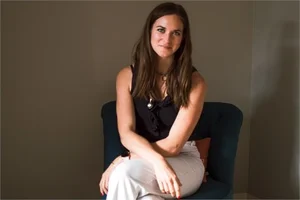
October is Down Syndrome Awareness Month, and as many of you know, this one is close to my heart. I'm the big sister to four amazing girls with Down syndrome - Sammy, Jayne, Agnes, and Rosie – and they've taught me more than any textbook ever could.
A few years ago I wrote about 21 things I love about my sisters. This year I want to do something a little different: celebrate five of the beautiful things people with Down syndrome bring to this world, and pair each one with a practical planning step that helps protect it. Because the best way I know to honor someone is to make sure their future is as bright as the joy they bring.
1. Joy that pulls everyone in
People with Down syndrome have a way of making a room warmer and a lot funnier. Rosie's stuffed bunnies go everywhere with her, but Bunny is quite the troublemaker. If Rosie has done anything naughty, she immediately blames it on Bunny, so we have to scold Bunny instead of her. A surprisingly effective way to get Rosie to turn her behavior around…
The planning connection: write it down in a letter of intent.
So much of that joy comes from connection - friends, routines, favorite people, and little rituals. A letter of intent (also called a memorandum of intent) is a document where you write down everything that makes your loved one's life work: daily routines, medical information, favorite foods, friends, what calms them down, and what they dream about.
It isn't legally binding, but it's the guidebook for whoever steps in to care for your child after you. For example, my sister Jayne is a homebody. Every time she leaves the house, she spends about 10 minutes lining up her stuffed animals and her baby doll and telling them, in the sweetest, gentlest voice, "I'll be back… I'll be back." This information is not going to be in any legal document or medical chart, but a future caregiver absolutely needs to know to build in those 10 minutes.
2. Personalities as unique as fingerprints
Four sisters, same diagnosis, four completely different people. Agnes is the leader. When something needs to get done, she takes charge. Sammy is our calendar keeper and always reminds everyone what the plan is. Jayne is gentle and always seems to get her way. And Rosie is always down for a fun time, especially if there's music or toys involved. Somehow, they balance each other out perfectly.
The planning connection: build the plan around your child, not the diagnosis.
One of the things I push back on most in this field is the homogenization of the special needs community. The idea that everyone with the same diagnosis needs the same plan. Two people with Down syndrome may need completely different things. One may live independently with some support and hold a job; another may need around-the-clock care. Your plan should reflect your child's abilities, interests, and goals.
3. Hard work and a big heart
Sammy competes in competitive walking with Special Olympics, and at the 2026 Summer Games she was racing alongside a friend. In the first race, her friend started to run and was disqualified. So in the second race, Sammy made it her job to help her friend remember to WALK. Her friend finished the race and got her medal.
That was a big deal for Sammy, cheering someone else on while she was racing herself. More and more adults with Down syndrome are working, volunteering, competing, and building independent lives, and they bring that same heart with them everywhere they go.
The planning connection: consider an ABLE account.
An ABLE account is a tax-advantaged savings account for people with disabilities. Here's why it matters: SSI generally limits countable resources to $2,000, but up to $100,000 in an ABLE account doesn't count toward that limit.
A few things to know for 2026:
The annual contribution limit is now $20,000 total, from all sources combined – you, grandparents, friends, and your loved one.
If your loved one works and doesn't participate in a retirement plan through their job, they may be able to contribute extra from their own earnings (this is called "ABLE to Work").
You may have heard the eligibility age went from 26 to 46 this year. Great news for the wider disability community!
ABLE accounts have their own rules, so they usually work best alongside a special needs trust, not instead of one.
4. Longer, fuller lives than ever before
In 1983, the average life expectancy for a person with Down syndrome was about 25 years. Today it's around 60, and many people live into their 60s and 70s.
The planning connection: make sure your plan outlives you.
It isn't something anybody likes to think about, but it's the reality: your child will very likely outlive you. That makes a special needs trust one of the most important tools in your plan.
I like to think of a special needs trust as a parent's pocket. It holds money for your child's benefit without that money counting against their SSI or Medicaid. A third-party special needs trust is funded with money that never belonged to your child. It could be funded by you, grandparents, or really anyone else, just not by the person the third-party special needs trust is benefiting.
Two things families often miss:
Name successor trustees. These are the backups who manage the trust after you. Pick people (or a professional) who know your child and can handle money responsibly.
Tell the grandparents. If Grandma leaves money directly to your child in her will, it could put their benefits at risk. Gifts and inheritances should generally go to the special needs trust instead.
5. Families that grow closer
I'm living proof of this one. Our family grew through adoption, and I was 10 when we adopted Jayne. I fell in love instantly. From the moment I met her, so much of my life started to revolve around the disability community, so when I became a financial advisor, it just made sense to work with families like mine.
I knew from an early age how lucky I was to have my sisters. They've expanded my view of the world and made me more empathetic and understanding of people's differences.
The planning connection: bring siblings into the conversation early.
Siblings often end up playing a big role in the future, maybe as a trustee, a guardian, an advocate, or simply the fun sibling who takes them to the movies. My parents have always done a great job of including us in the planning process. Because we've been part of the conversation all along, we don't have to wonder what life will look like once the girls can no longer live with them. In fact, the plan is for Jayne and Agnes, who are a pair and could never be separated, to come live with me once Agnes finishes school.
So don't assume your other children know the plan, or that they'll want the same role. Ask them. Show them where the documents are. And take your child with a disability’s likes and wants into account, too. It's their future.
It's also smart to think ahead about decision-making as your child approaches 18. Guardianship is one option, but there are less restrictive alternatives, like supported decision-making and powers of attorney, that may fit your family better. An attorney can walk you through what makes sense in your state.
The takeaway
The gifts people with Down syndrome bring to the world are worth protecting. A letter of intent, an ABLE account, a special needs trust, and an honest family conversation can go a long way. And remember to review your plan every year, because life (and the rules) change.
Every family's situation is different, so make sure you talk to an advisor who specializes in special needs planning before making any decisions.
I am so lucky to have Sammy, Jayne, Agnes, and Rosie in my life. Happy Down Syndrome Awareness Month!
#DownSyndromeAwarenessMonth #DownSyndromeAwareness #SpecialNeedsPlanning #SpecialNeedsTrust #ABLEAccount